
When your income is low, saving money can seem almost impossible. It may seem like you have nothing left over after paying for rent, groceries, utilities, transportation, and other essentials with the majority of your pay cheque. The good news is that low-income people can save money. You don’t need to save hundreds of dollars. Even tiny, consistent sums can help you develop financial security over time. This guide offers doable strategies for low-income people to save money without making their daily lives unduly challenging.
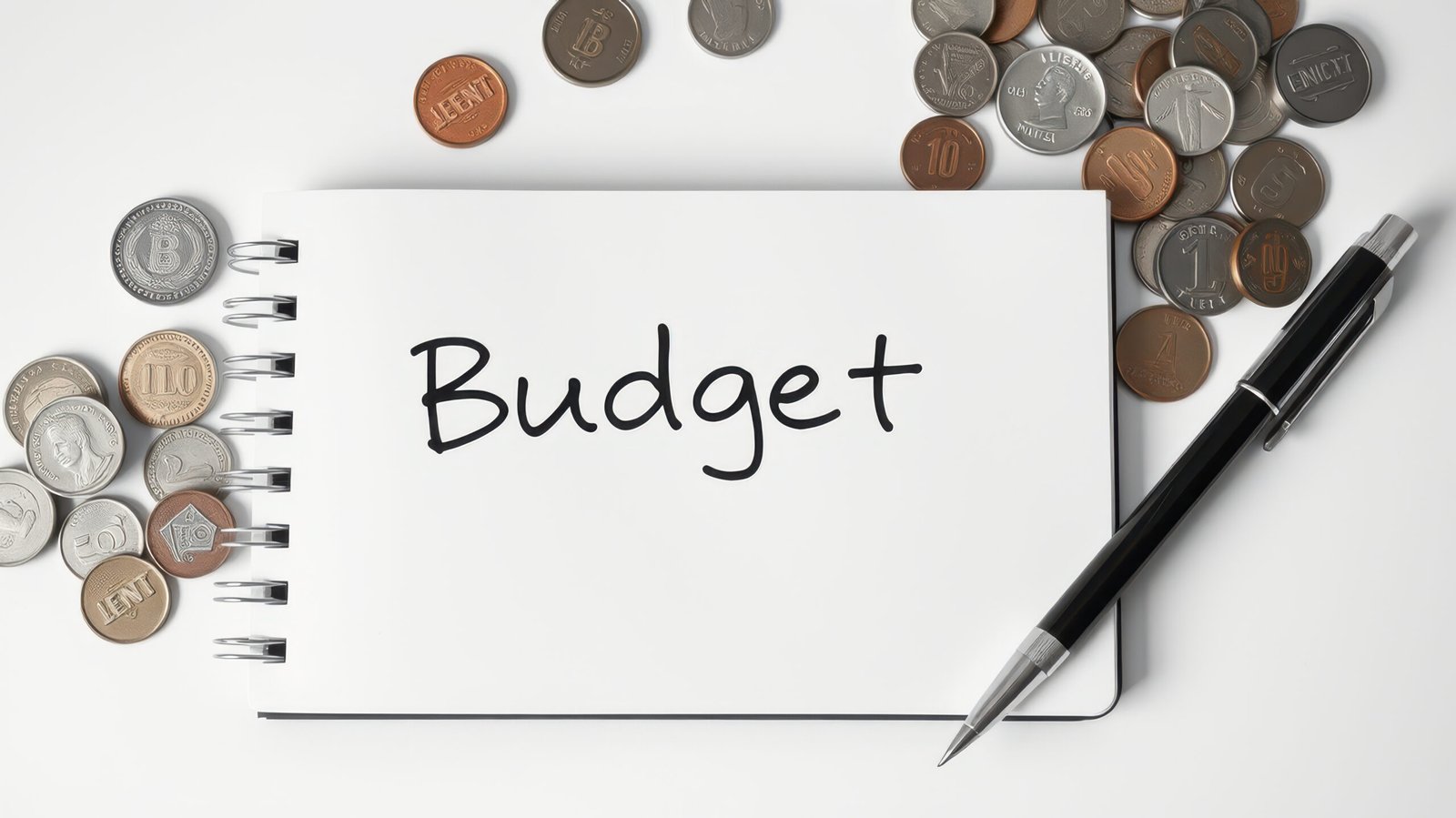
Establish a reasonable budget first
The first knowledge is precisely where exactly where exactly where exactly where exactly where the money goes.
Write the following:
- Monthly Income Mortgage Rent Mortgage Mortgage
- Utilities
- Food
- Transportation
- Insurance
- Paying off debt
- Subscriptions
- Amusement
- Additional ongoing costs
Budget Utilise your actual spending last month. You’ll be able to spot places where you can make changes if you have a better understanding of your spending patterns.

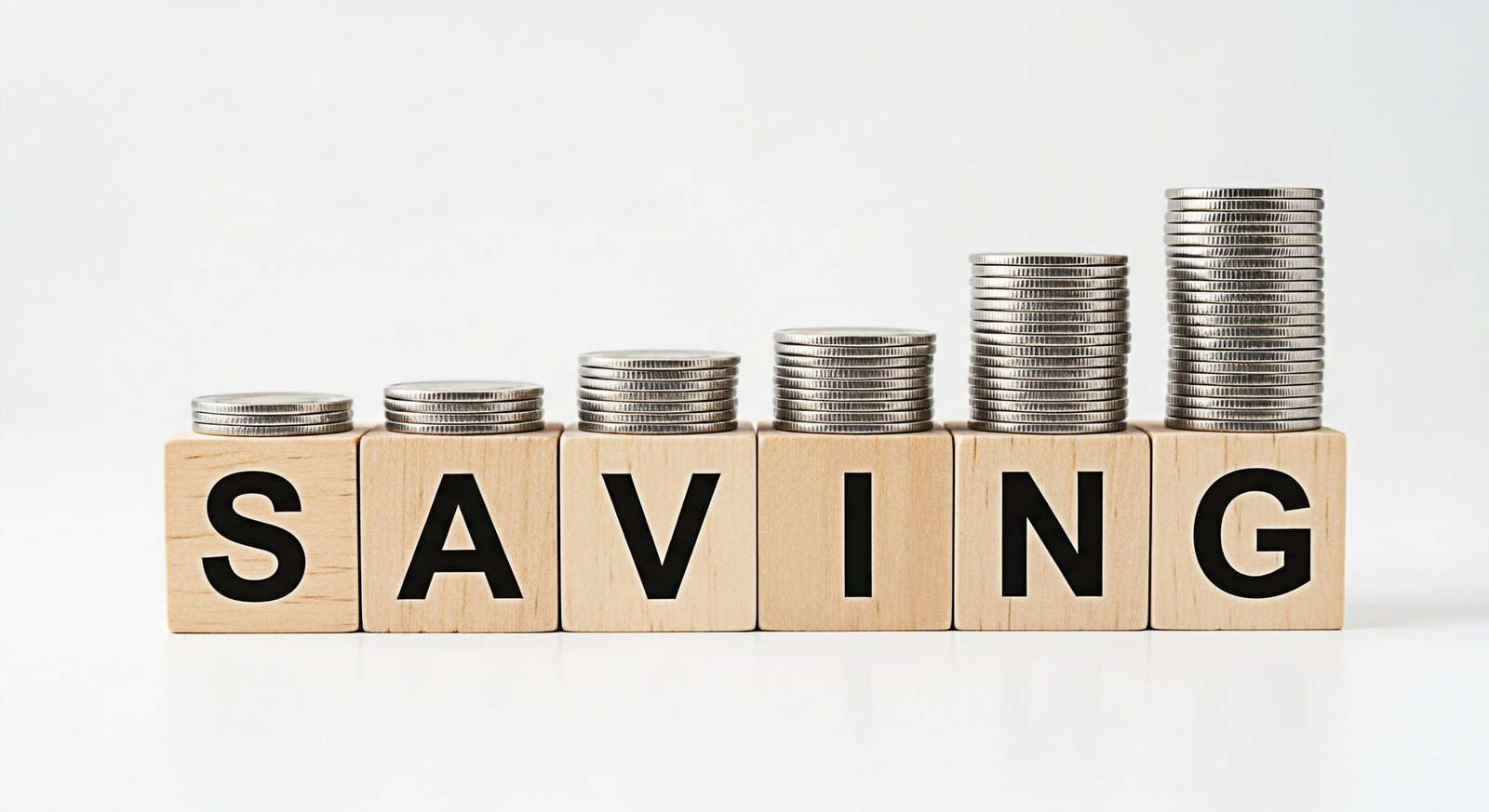
Start by setting aside a small sum
One of the most common errors people make is believing they need a lot of money before they can begin saving. You don’t. Start with $5, $10, or $20 per pay cheque if that’s all you can save. Establishing a persistent saving habit is the aim. For instance, setting aside $10 per week would result in: $10 x 52 weeks = $520 annually
Financial Financial Financial Financial condition Financial Situation The financial condition steadily gradually gradually improves gradually.
Establish a Small Emergency Fund
When unforeseen costs arise, having an emergency reserve might shield you from using credit cards or loans. Don’t let the fact that you can’t save three to six months’ worth of spending deter you. Start with a lesser aim. First objective: $100 Next objective: $500Then: $1,000 Continue progressively increasing the fund after you’ve met your initial goal. To reduce the temptation to use your emergency funds, keep them apart from your regular spending account.
Lower Your Food Expenses
Food can be made small, small. Try these tactics: Make a grocery list and follow it.
- Examine the costs of several brands.
- Make use of valid discounts and coupons.
- Prepare more food and store leftovers.
- Food Food Waste Waste.
- Steer clear of shopping when you’re hungry.
You are not need to give up all of your favourite foods. Rather, you might hunt for a few unneeded expenses.
Review Your Monthly Subscriptions
Check your bank or credit-card statements and look for:
- Streaming services
- Fitness memberships
- Apps
- Gaming subscriptions
- Cloud storage
- Software subscriptions
- Membership programs
If not, consider canceling it. Even eliminating two $10 monthly subscriptions can save $240 per year.
Reduce Your Utility Costs
Look for easy methods to cut back on home spending.
You could:
- When lights are not in use, turn them off.
- Disconnect gadgets you don’t often use. The thermostat should be adjusted.
- Make use of energy-efficient lightbulbs.
- Use full loads while washing garments.
- Cut back on wasteful water use. Examine the various utility plans that are offered.
Even though each of these adjustments might not seem like much, over the course of a year, repeated savings can mount up. Purchases Non-24-Hour Rule for the 24. Saving money can be challenging due to impulsive purchases. Wait a day before purchasing something you don’t really need. Ask yourself: “Will I still like this tomorrow? Think about holding out even longer for pricey goods. This little practice might help you avoid making a lot of pointless purchases and make the distinction between what you truly need and what you want.
Locate Alternatives
It’s not always necessary to give up everything in order to save money. Rather, hunt for less expensive options.
For instance:
- Instead of purchasing coffee every day, make it at home.
- Cook more frequently at home.
- Make use of free entertainment opportunities.
- When it’s suitable, purchase used goods.
- Rather than purchasing books, borrow them.
- Select generic generic generic generic items.
- Seek out community events that are free.
Reducing expenses without sacrificing quality of life is the aim.
Steer clear of lifestyle inflation
It can be tempting to instantly increase your spending if you receive a raise, bonus, tax refund, or increased money.
Rather, think about setting aside some of the additional funds for savings. For instance, you may save $100 and spend the remaining $100 for other objectives if your monthly income grows by $200. As a result, you can increase your savings without feeling like you’ve given up everything.
Make Use of Different Savings Accounts
Think about separating your regular checking account from your savings.
You can create different savings objectives such as:
- Fund for Emergencies
- Auto Repairs
- Medical Costs
- Holiday Fund
- Future Objectives
Setting distinct goals might help you track your progress and possibly lessen the urge to squander the money.
Automate Your Savings 122. Plan a little transfer soon after payday if your bank permits automated transfers.
For instance:
- $10 is automatically moved to savings on payday.
- It’s not necessary to remember to do it each time.
- Even the amount is part of your typical daily financial regimen.
Avoid Comparing Your Money to That of Others
Recall that you generally don’t see that you don’t see that you don’t see that you don’t see that you don’t see the full picture. Your financial success is not determined by what someone else spends. Focus on your personal goals, your income, your expenses, and your progress.
Establish a “No-Spend” Challenge
Spend Try a seven-day no-spend challenge, for instance, when you only buy necessities like groceries, transportation, and bills. After that, you can review the items you intended to purchase during the week. This may show you spending trends you were previously unaware of.
Monitor Your Development Each Month
Seeing your progress makes saving easier. At the conclusion of each month, Starting savings The amount saved.
- Unexpected costs
- Paying off debt
- The final savings amount
- Celebrate your progress, even if you only saved $25.
The objective isn’t perfection isn’t perfection.

Concluding Remarks
It’s not necessary to make your life miserable or give up everything you enjoy in order to save money on a low salary. It’s about the money. The money start small keep tabs on your spending cut back on wasteful spending. Anything you can save, automate. Additionally, try to find ways to boost your revenue whenever you can. Being financially secure doesn’t have to happen right away. Time, regular habits, and modest savings can result in significant financial advancement.
Common Questions
If my income is minimal, how much should I save? Start with a sum that you can regularly afford, such as $5 or $10 every pay period. When your financial circumstances improve, raise it. Is it feasible to live pay cheque to pay cheque and save money? Starting with relatively tiny amounts and concentrating on necessary spending can assist, but it can be challenging. When expenses already take up the majority of your income, you may also need to increase it.
What should I rescue first?
A modest emergency fund is a smart place to start. Larger emergency reserves, high-interest loans, and other significant financial objectives might then be your top priorities.
What is the simplest way to begin saving?
For a month, keep tabs on your expenditures, pinpoint one or two costs you can cut, and then automatically move the money you save into a different savings account.
Other Articles

How Much Should You Save for an Emergency Fund?
A Basic Guide to Monitoring Your Monthly Expenses



No Comment! Be the first one.