

It can be intimidating to manage money, particularly if you don’t know exactly where your monthly revenue is going. You can better understand your spending, prepare for future expenses, and achieve your financial objectives by creating a basic monthly budget.
The good news is that budgeting doesn’t have to be difficult. You might begin with a few simple figures and gradually refine your system.
What Is a Monthly Budget?
A monthly budget is a plan that indicates how much money you expect to receive and how you plan to spend or save it over the month.
Typically, a basic budget usually includes: Each month Housing expenses
- The Utilities
- The groceries
- Transport
- The insurance
- Payment of debts
- Recreation
- Discounts
- Other costs
Stopping spending isn’t always the goal. Rather, you should decide where you should decide where you should go.
Step 1: Determine Your Income Each Month
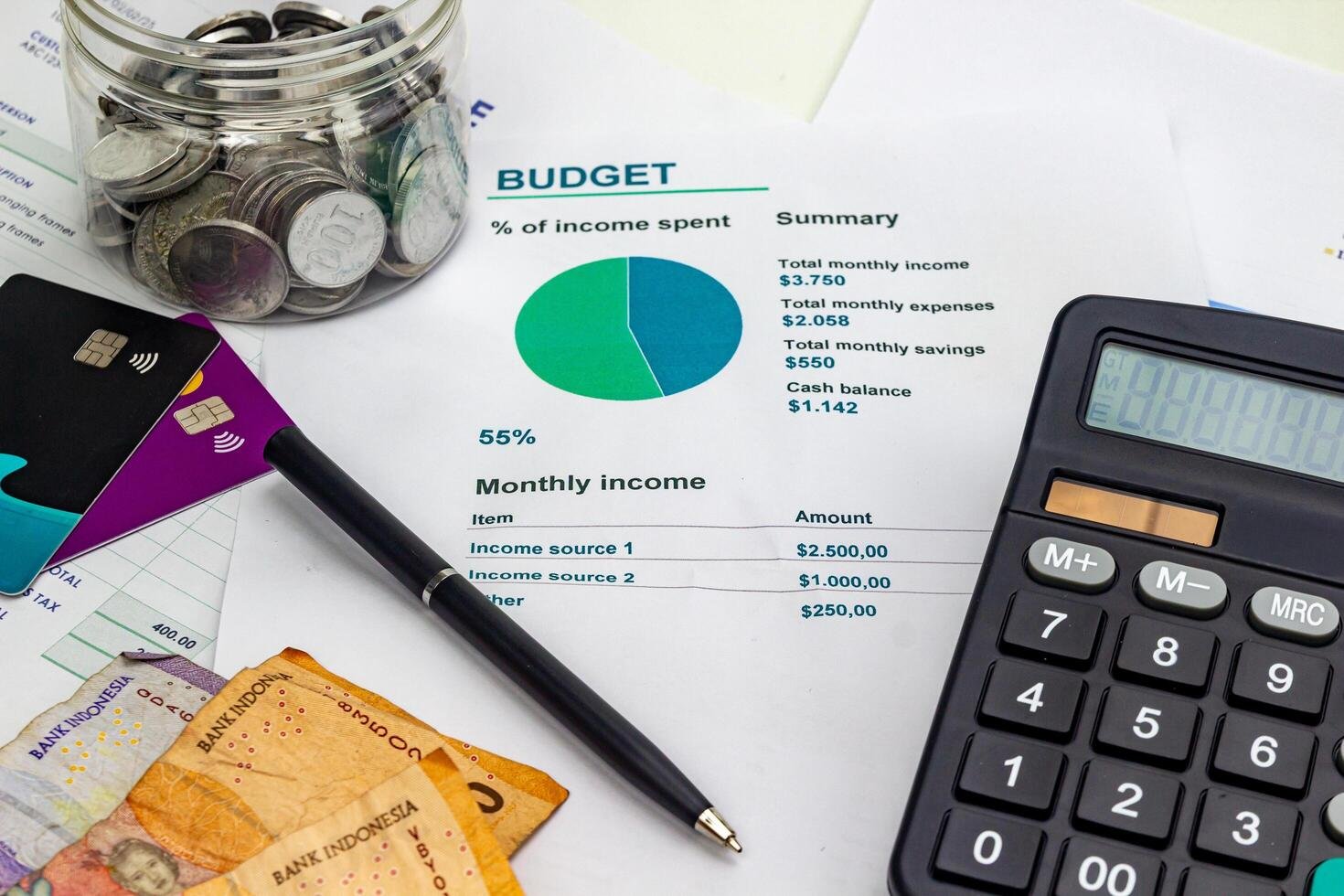
Begin by identifying your estimated income for the month.
Income may come from the income may come from the Wages or salary Freelance, Revenue from businesses.
Step 2: Make a list of your monthly spending
Fixed Expenses
These are typically similar monthly similar expenses examples consist of:
- Mortgage Rent
- Payment for a car.
- Insurance
- The phone bill
- The Internet
- Minimum payments for debt
- Variable Costs
These can change from month examples consist of:
- Food
- Gas
- Dining
- Amusement
- Apparel
- Individual purchases
Remember less frequent costs like yearly subscriptions, presents, auto upkeep, and holiday expenditures. You can calculate the monthly cost by dividing the estimated annual cost by twelve.

Step 3: Distinguish Needs from Desires
One Budgeting is a budgeting is a beneficial activity. Needs are expenses that are generally necessary, such as shelter, food, utilities, transportation, and mandatory bills. Wants include things like dining out, shopping, entertainment, and streaming services that enhance your lifestyle but may be cut if needed. This does not preclude you from spending money on desires. The objective is to comprehend your priorities.
Step 4: Establish a Savings Objective
Instead of just saving whatever money is left over at the end of each month, try to include savings into your budget. Your savings might include the following:
- Establishing an emergency reserve saving for a home
- Getting ready for a trip
- Covering the cost of schooling
- Preparing retirement
- Putting money aside for a big purchase
You can develop the habit of regularly saving even a tiny sum.

Step 5: Add Debt Repayment
Include the necessary payments in your monthly budget if you have school loans, vehicle loans, credit card balances, or other debt. If it makes sense financially, you might develop a different plan for paying off debt more quickly after making the required payments. It’s easy to see how much of your monthly income is already going toward debt repayment when it’s apparent in your budget.
Step 6: Establish a Monthly Budget
Put everything together now. For instance, such like this may be created.
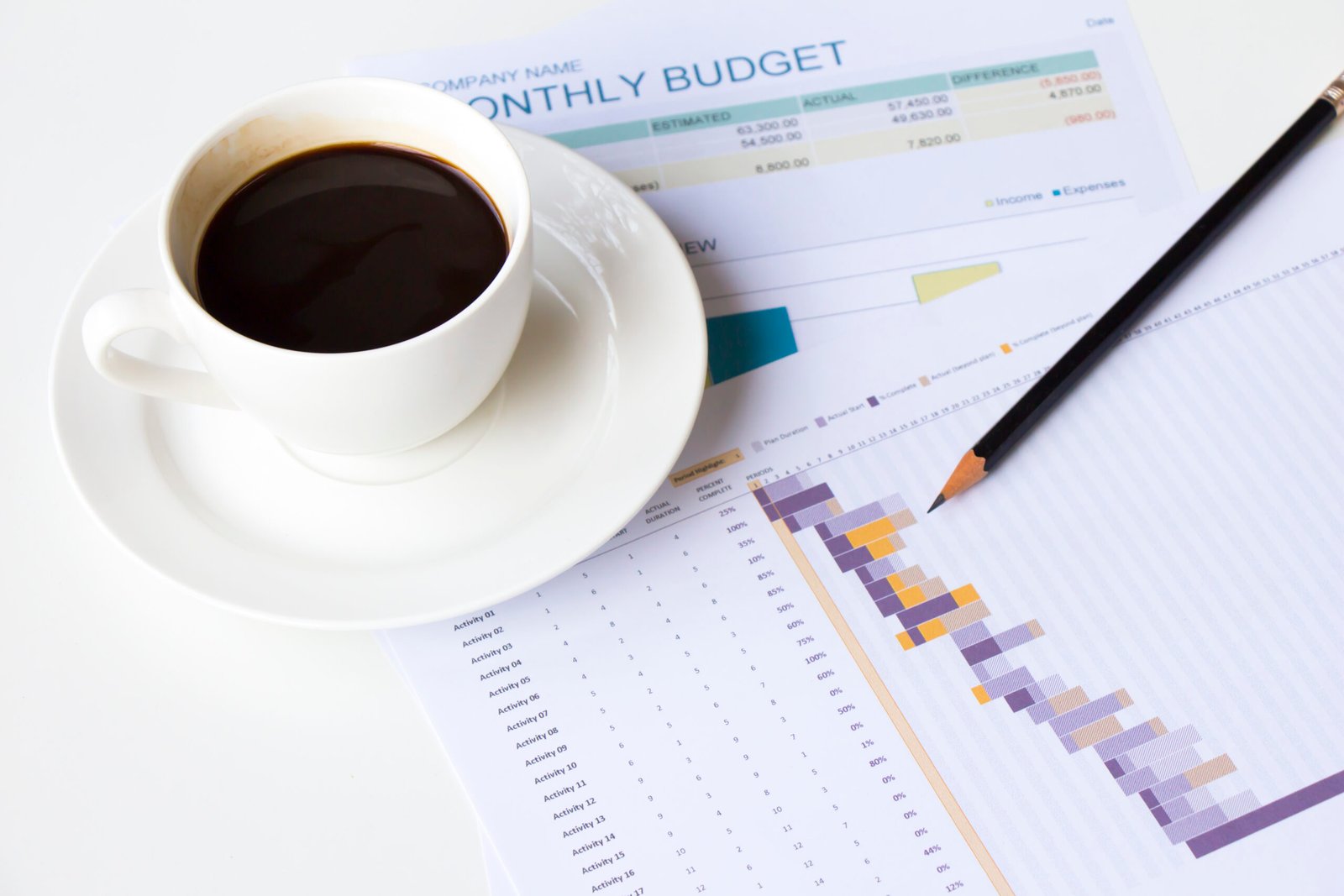
Category Monthly Amount
- $1,400 for housing
- Utilities & Internet $250
- $450 for groceries
- $400 for transportation and $250 for insurance
- $300 in debt payments
- Entertainment & Dining $200
- $150 for personal expenses
Savings
- Additional Costs: $200
- $4,000 in total
These figures are merely an illustration. Your actual budget should reflect your income, location, household, expenses, and financial goals.

Step 7: Monitor Your Expenditures
Making a budget is only the start. Compare your real and anticipated spending over the month.
For instance, if your grocery budget was $450 but you ended up spending $520, you can examine what went wrong and make any required corrections elsewhere.
You can use the following:
- A spreadsheet
- An app for budgeting
- A journal
- A digital planner
- Your credit card and bank statements
One is the best system that you may apply continuously consistently.
Step 8: Examine Your Monthly Budget
You don’t need to have an ideal budget. Every month at the conclusion, ask yourself:
- Did I keep inside my spending limits?
- Which categories exceeded their budget?
- Where did I spend less than I had anticipated?
- Did I save as much as I had intended?
- Do I need to get ready for any impending expenses?
- Should I make any changes? Should I make any changes?
Goals, objectives, and your income, and your income, and your income, costs, and your budget.
Frequently Occurring Budgeting
- Ignoring Unexpected Expenses
Holidays, gifts, yearly memberships, and auto maintenance can cause unanticipated stress if you don’t account for them in your preparation. - Complicating the Budget Excessively
Dozens of categories are not necessary when you first start off. Start with the main categories and then move into more detail. - Disregarding Minor Purchases
Over time, small purchases can add up. You can get a better understanding of your spending patterns by keeping track of them. - Establishing Impractical Boundaries
It could be challenging to stick to if your budget offers you absolutely no flexibility. Create reasonable spending plans that you can adhere to on a regular basis. - Not Adjusting the Budget
A budget is not a set of rules; it is a plan. Examine it when you make modifications.

A Basic Monthly Budget Formula
One simple way to consider your budget is:
Monthly Income minus Monthly Expenses minus Savings equals Remaining Funds Ideally, your budgeted expenses and savings should fit within your available income. Examine your expenditure categories to find areas where you can make adjustments if your expenses exceed your income.
Concluding Remarks
Developing a personal budget is one of a month. It’s a complex financial financial system to get started. Start by figuring up your income, making a list of your costs, establishing savings objectives, and monitoring your spending. Then, when your financial circumstances change, examine your budget every month and make necessary adjustments.
No Comment! Be the first one.